
 0514-87503588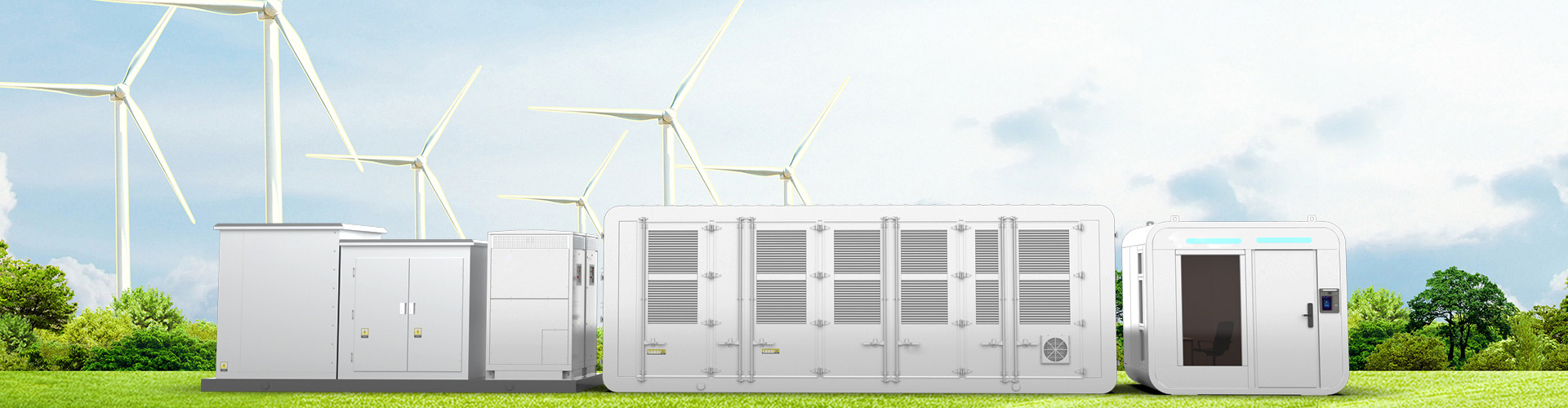

How to recoup the cost of industrial and commercial energy storage cabinets
Summary:
With the transformation of the global energy structure and the vigorous development of renewable energy, industrial and commercial energy storage systems have become an important tool for improving energy efficiency and reducing operating costs. This article aims to analyze the investment return cycle of industrial and commercial energy storage cabinets, explore their economic benefits in different application scenarios, and propose optimization suggestions.
1. Introduction
Industrial and commercial energy storage cabinets can be charged during low electricity prices and discharged during peak hours by storing electrical energy, thereby reducing electricity bills. In addition, energy storage cabinets can also provide backup power, enhance the stability of the power grid, and participate in demand side response services. This article will conduct an in-depth analysis of the economic viability of commercial and industrial energy storage cabinets.
2. Overview of Energy Storage Cabinet Technology
Energy storage cabinets are usually composed of battery modules, battery management systems (BMS), energy conversion systems (PCS), monitoring systems, etc. The mainstream energy storage technologies currently on the market include lithium-ion batteries, flow batteries, etc.
3. Cost analysis of energy storage cabinets
The cost of energy storage cabinets mainly includes initial investment costs, operation and maintenance costs, battery replacement costs, etc. The initial investment cost includes equipment purchase cost, installation cost, design cost, etc. The operation and maintenance costs include expenses for daily inspections, regular maintenance, and troubleshooting repairs. The battery life is generally 5-10 years and needs to be replaced after expiration.
4. Analysis of Energy Storage Cabinet Revenue
The revenue of energy storage cabinets mainly comes from the following aspects:
a. Peak valley electricity price difference benefit: using energy storage cabinets to store electricity during low valley periods and release it during peak periods, thereby reducing electricity expenses.
b. Electricity demand side management: Participate in the demand side response of the power grid, provide peak shaving services for the power grid, and obtain corresponding subsidies or rewards.
c. Improving energy self-sufficiency rate: By combining renewable energy such as solar energy, energy storage cabinets can increase the energy self-sufficiency rate of industrial and commercial users and reduce their dependence on external energy.
5. Calculation of payback period for energy storage cabinets
The payback period refers to the time when the investment cost of energy storage cabinets is recovered through revenue. The calculation formula is:
Return on investment cycle=Initial investment cost/(Annual revenue - Annual operating cost)
By analyzing the electricity consumption characteristics and pricing policies of different industrial and commercial users, the payback period of energy storage cabinets can be calculated.
6. Case analysis
This report will select several representative industrial and commercial user cases to analyze the economic benefits of their energy storage cabinets, including cost recovery cycles, revenue situations, etc.
7. Conclusion and Suggestions
Based on the analysis results, this report will summarize the economic feasibility of energy storage cabinets in the industrial and commercial fields, and propose optimization suggestions, such as selecting energy storage technologies reasonably, optimizing energy storage system design, and fully utilizing policy subsidies, in order to help industrial and commercial users better achieve investment return on energy storage cabinets.